IPL Valued at $20.6 Billion as RCB and Rajasthan Royals Change Hands in Record Deals
Houlihan Lokey's 29 July 2026 valuation puts the IPL at an estimated $20.6 billion, up 10.3% year on year, after the Blackstone-led consortium's near-$1.8 billion takeover of Royal Challengers Bengaluru and the $1.65 billion Mittal-Poonawalla deal for Rajasthan Royals.
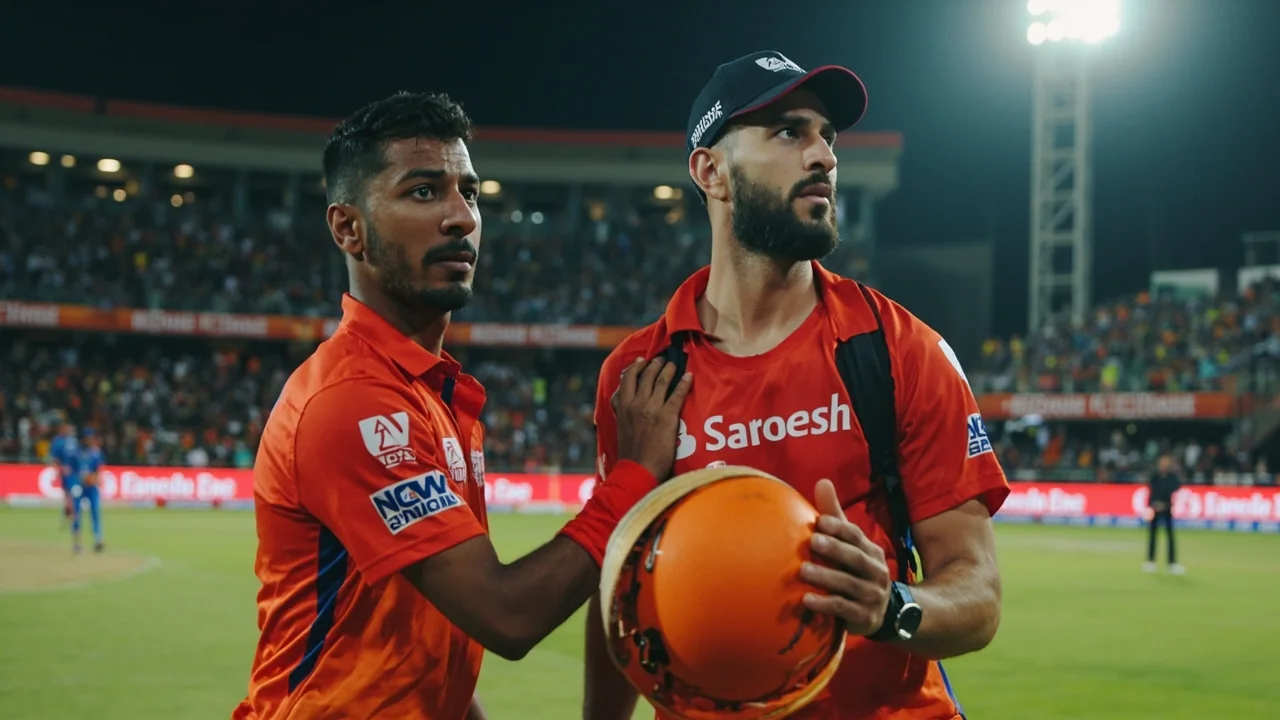
Houlihan Lokey puts the IPL at $20.6 billion after two ownership deals
The Indian Premier League is now worth an estimated $20.6 billion, according to a Houlihan Lokey report dated 29 July 2026 that the EasternEye desk reviewed. The figure is the headline output of a franchise-by-franchise valuation exercise that the global investment bank refreshes annually, and this year's jump of 10.3 per cent over the previous cycle is being driven almost entirely by two transactions that closed in the same quarter: the near-$1.8 billion acquisition of Royal Challengers Bengaluru by a consortium led by the US asset manager Blackstone, and the $1.65 billion change of control at Rajasthan Royals that brought Lakshmi N. Mittal and his family into the same ownership group as Adar Poonawalla. Each transaction forced a re-pricing exercise that pushed the league's headline value beyond the $20 billion mark for the first time.
Harsh Talikoti, the Houlihan Lokey director who authored the report, characterised the IPL in conversation with EasternEye as "continuing to develop as a globally owned and institutionally backed sports asset in 2026." That phrase matters because it is the first time the bank has used the word "globally" in the context of IPL ownership — five of the ten franchises have already changed hands in the last eighteen months, and three of the new ownership groups now sit with Blackstone, the Mittal family office and the CVC-Advent pair holding controlling or significant stakes. The institutional shift is the single biggest reason the league's headline value has grown faster than cricket's global sponsorship market in 2026.
Royal Challengers Bengaluru stay the most valuable franchise at $312 million
Royal Challengers Bengaluru retained the top brand-value spot in Houlihan Lokey's table with an estimated $312 million valuation, ahead of Mumbai Indians, Chennai Super Kings, Kolkata Knight Riders and the rest of the ten-franchise field. The Bengaluru franchise has held the brand-value crown for three consecutive cycles, and the new report accompanies — rather than precedes — the consortium takeover that valued the club itself at nearly $1.8 billion. The gap between the brand valuation ($312 million) and the takeout valuation ($1.8 billion) is the part of the report that reward-minded investors read most carefully, because it implies the franchise is being priced for growth rather than for current cash flow.
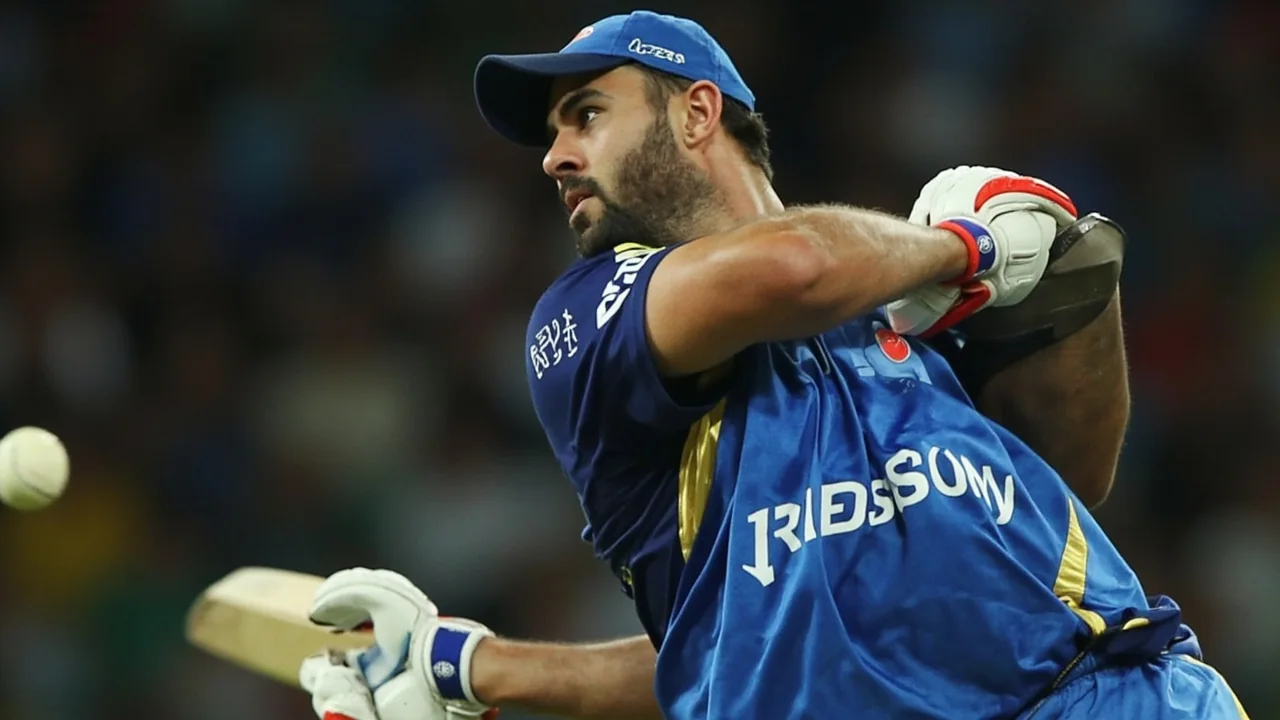
Houlihan Lokey's differentiator in this cycle is that every brand-value figure has been triangulated against the prices paid in completed franchise transactions, rather than the older revenue-multiplier method that dominated the 2018 to 2022 reports. The Blackstone-led consortium's near-$1.8 billion deal for RCB is described in the report as the most expensive single franchise transaction in IPL history, and the bank is explicit that the next twelve months are likely to see at least one more franchise revalued on the strength of comparable transaction evidence rather than operating metrics.
Rajasthan Royals move to a Mittal-Poonawalla ownership group at $1.65 billion
The second of the two deals that anchored the league's headline revaluation is the change of control at Rajasthan Royals, valued at $1.65 billion. The EasternEye report names Lakshmi N. Mittal and his family as joining Adar Poonawalla in taking control of the franchise, crystallising a long-rumoured combination of an Indian pharmaceuticals-and-vaccine fortune with one of the world's largest steel-and-mining family offices. The Mittal family's entry follows the same playbook that Blackstone used with RCB — institutional capital taking a controlling stake while the founding promoter retains a minority and operational role — and the $1.65 billion price is the second-largest single franchise transaction in league history.
For the IPL's competitive balance, the Mittal-Poonawalla combination is the more interesting of the two deals because Rajasthan Royals is a working-title franchise with a younger roster and a Jaipur regional media-rights tail that the new ownership has already signalled it intends to develop. Houlihan Lokey's valuation team has factored the new combined balance sheet into the Rajasthan Royals brand-value increment, and the bank's note on the franchise is the one that institutional investors will read first when the next round of franchise transactions opens in 2027.
Per-match economics put the IPL behind only the NFL globally
The Houlihan Lokey report's most quoted line is the league-level per-match comparison: on a per-match basis, the IPL now ranks behind only the NFL among global sports properties. The methodology divides the headline league value by the count of regular-season matches played in the most recent cycle, and the IPL's shorter window — 74 regular-season matches in the 2026 calendar — produces a per-match figure that is competitive with the NFL's 17-game regular season despite the league operating across only two and a half months of the calendar. The bank has warned that the per-match figure is the comparative that rights-holders and broadcasters will use when the next IPL media-rights cycle opens, and that the headline $20.6 billion number understates the operating value of the league once that per-match lens is applied.
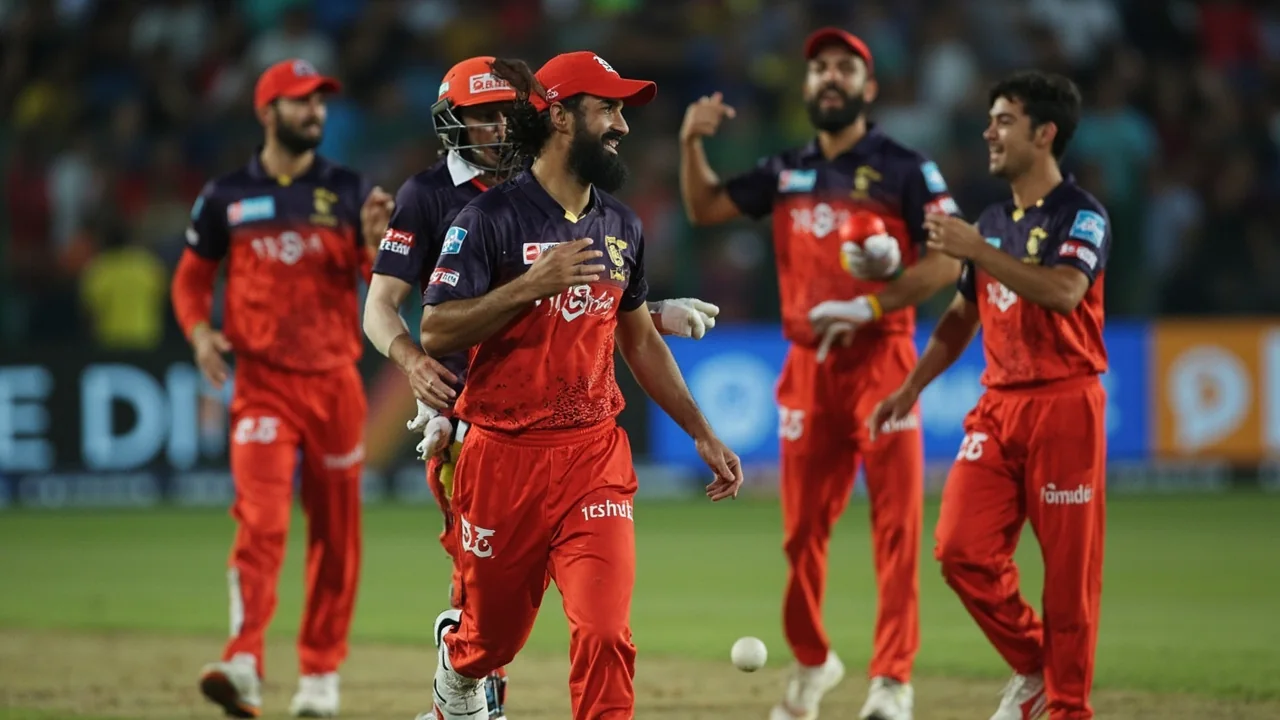
The international benchmark is also a useful proxy for fantasy cricket. If the IPL is producing NFL-comparable per-match economics on the strength of seventy-odd regular-season matches, then the per-match fantasy contest opportunity on Gamezy is denser than the headline calendar suggests — the typical IPL match week on Gamezy runs four to six contests per fixture, and the value of the underlying on-field product is what fixes the per-match ceiling for both the league and the fantasy platforms that run on top of it. We unpack the per-match math further in our longer IPL 2026 reading list below.
What the revaluation means for the BCCI and the next media-rights cycle
The Board of Control for Cricket in India has been the largest single beneficiary of the IPL's run since the 2008 launch, and the Houlihan Lokey report is explicit that the league has become a major source of revenue for the BCCI. The 2020 Deloitte estimate that the IPL generated more than $11 billion a year for the Indian economy is the most-cited macroeconomic proxy, and the EasternEye filing notes that the 2026 valuation cycle implies that figure has since grown materially. The next IPL media-rights cycle, which is due to open for tender in 2027, will be the first one where the BCCI is negotiating against a benchmark that already prices the league above $20 billion, and the per-match economics from the Houlihan Lokey report are the negotiating floor that the Indian board will use with both Disney-Star and the Viacom18-Jio consortium.
The franchise-level implications are larger than the league-level number. With five of the ten franchises already having changed hands in eighteen months, the median franchise is now owned by a group with the balance sheet to fund a multi-year squad rebuild, and the average salary cap allocation is the metric to watch — the IPL Governing Council's annual review of the auction purse is the mechanism that translates the headline valuation into the fantasy-relevant roster decisions that Gamezy users see every match week. The Royal Challengers Bengaluru and Rajasthan Royals ownership changes are the cleanest signal yet that the franchise-level inflation is feeding directly into the auction purse.
Why the report matters for fantasy cricket on Gamezy
For fantasy cricket players, the headline valuation is interesting but the transactional detail is what changes next season's contests. The two ownership changes detailed in the Houlihan Lokey report are the clearest indicator yet that the IPL's working economics — sponsorship, regional media rights, jersey inventory, in-stadia revenue — are pricing franchise-level moves that, in turn, shift the on-field product. A new owner typically commits to a squad rebuild within the first eighteen months, and the auction purse for the next cycle is the metric that fantasy players should track on Gamezy's fantasy dashboard because it changes the price floor on every marquee player in the salary-cap system.
Royal Challengers Bengaluru and Rajasthan Royals are the two franchises fantasy players will want to watch most closely over the next auction window. RCB's new ownership has declared publicly that it expects the franchise to compete for the title within three seasons, and that kind of commitment requires a salary-cap allocation that will push marquee-player prices up. Rajasthan Royals, under the combined Mittal-Poonawalla ownership, is closer to a working-title roster than a finished one, and that is the kind of franchise where the differential captain pick on Gamezy tends to live for the first half of the next cycle. For the wider IPL 2026 picture, the cleanest summary of the season's working economics and the related fantasy implications is on the dedicated IPL 2026 desk at Gamezy India.
What to watch next in the IPL valuation cycle
The next concrete marker on the calendar is the BCCI's 2027 media-rights tender, which is where the headline $20.6 billion number will be tested against actual broadcast and digital bidding. The 2023 five-year cycle closed at a combined value of around $6.4 billion for linear and digital rights, and the next cycle is expected to at least double that figure on the strength of the Houlihan Lokey valuation. The second concrete marker is the next round of franchise transactions — Houlihan Lokey has flagged that at least one further change of control is likely in the next twelve months, and the price will be the second independent test of the $20.6 billion benchmark. Those two events, the media-rights tender and the next franchise transaction, are the calendar items that will tell fantasy cricket players whether the league's 2026 valuation was the start of a new plateau or a single-cycle peak.
Frequently asked questions
Who valued the IPL at $20.6 billion?
Houlihan Lokey, the global investment bank, in a report dated 29 July 2026. The EasternEye news desk reviewed the report and quoted its director Harsh Talikoti.
How much did the Royal Challengers Bengaluru deal cost?
A consortium led by US asset manager Blackstone acquired Royal Challengers Bengaluru in a deal worth nearly $1.8 billion, described in the Houlihan Lokey report as the most expensive single franchise transaction in IPL history.
What is the new Rajasthan Royals ownership structure?
Lakshmi N. Mittal and his family have joined Adar Poonawalla in taking control of Rajasthan Royals in a deal valued at $1.65 billion, the second-largest single franchise transaction in the league's history.
Which franchise has the highest brand value?
Royal Challengers Bengaluru retained the top spot with an estimated $312 million brand value, ahead of Mumbai Indians, Chennai Super Kings and Kolkata Knight Riders.
How does the IPL compare globally on a per-match basis?
Houlihan Lokey said only the NFL ranks ahead of the IPL on a per-match basis, with the IPL's 74-match regular season producing a per-match figure that is competitive with the NFL's 17-game schedule.
When does the IPL 2026 league start?
The IPL 2026 league window runs across late March to late May 2026, with 74 regular-season matches, four playoff matches and the final scheduled for the fourth week of May, per the BCCI announcement.
Play fantasy cricket on Gamezy
Put the IPL 2026 valuation in context — pick your captain for tonight's match with the Rs 100 welcome bonus.
What the next twelve months will tell us about the $20.6 billion benchmark
Two concrete events, both already named in the Houlihan Lokey report, will test whether the $20.6 billion valuation is a durable new floor for the league or a single-cycle peak. The first is the BCCI's next media-rights tender, scheduled to open in 2027, where the linear and digital rights for the cycle that succeeds the 2023 five-year deal will be priced against the Houlihan Lokey benchmark. The 2023 cycle closed at a combined value of around $6.4 billion; under the bank's methodology, the next cycle is the first one where bidders will be quoting against a league already priced above $20 billion, and the differential between the headline valuation and the broadcast clearing price is the cleanest read on how much of the $20.6 billion figure is supported by actual market bids.
The second event is the next franchise change of control. Houlihan Lokey's own note flags that at least one further transaction is likely in the next twelve months, and the bank is explicit that subsequent franchise valuations will be triangulated against the Blackstone-RCB and Mittal-Poonawalla-Rajasthan Royals comparables. A third transaction at or above the $1.65 billion Mittal-Poonawalla mark would confirm the institutional shift that drove the 10.3 per cent year-on-year jump; a softer outcome would mark the same number as a cycle high rather than a plateau. The 29 July 2026 report is dated, and the calendar items that test it are now the next reference points on the desk — those two markers are what the Gamezy cricket desk will be tracking as the league moves toward the 2027 auction and the next broadcast cycle.